
VTechFusion Team
VTechFusion Technologies
Software-based robotic process automation (RPA) and physical, factory-floor robotics have historically been entirely separate disciplines, run by different teams with different vendors and different skill sets. That separation is genuinely blurring, and it's worth understanding why before it affects your own automation strategy.
Why the Convergence Is Real, Not Just Marketing
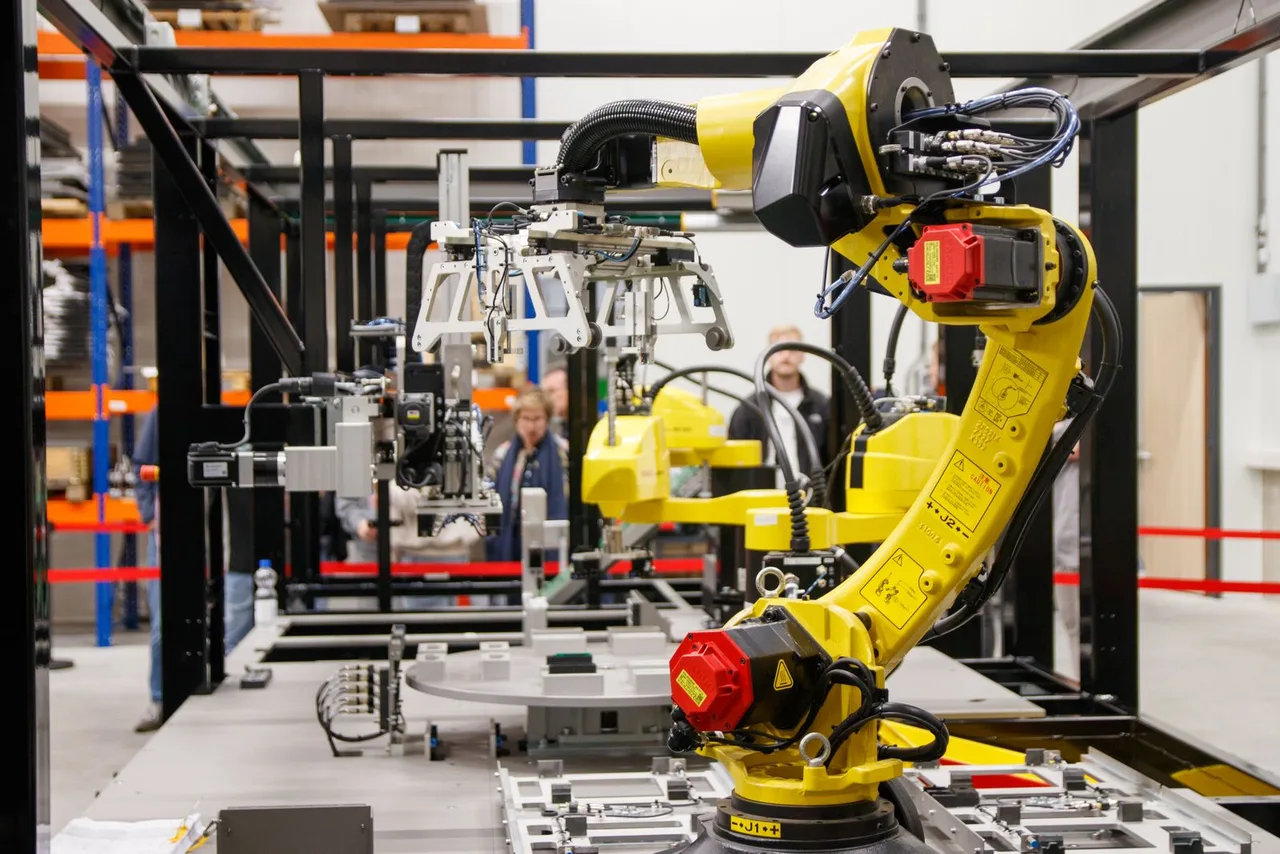
Both disciplines are converging on the same underlying technology: AI models making decisions and taking action, whether that action is clicking through a software workflow or moving a robotic arm. The same advances in perception, planning, and decision-making that improve software agents are increasingly the same technology stack powering physical robotics — not a coincidence, a genuine technical convergence.
What This Means Practically
- Organisations running both software RPA and physical automation initiatives may be able to consolidate vendor relationships and internal expertise more than the historical separation assumed
- The skills gap for managing AI-driven physical automation increasingly overlaps with the skills needed for software agent governance — access scoping, human-checkpoint design, audit logging — not a completely different discipline
- Safety and liability considerations that have long applied to physical robotics (defined operating boundaries, fail-safes, human override) are exactly the same considerations now being urgently applied to autonomous software agents
What to Actually Do With This
If your organisation runs separate physical automation and software automation programmes, it's worth a deliberate review of whether governance, vendor evaluation, and safety practices from one discipline should inform the other — the convergence is real enough that treating them as entirely unrelated risks duplicating effort and missing lessons each discipline has already learned the hard way.
Frequently Asked Questions
Are software automation (RPA) and physical robotics actually converging?
Yes, genuinely — both are converging on the same underlying AI technology stack (perception, planning, decision-making) making decisions and taking action, whether that action is a software workflow click or a robotic arm movement, not just a marketing framing.
Should we manage physical and software automation with the same governance approach?
It's worth reviewing — the safety, access-scoping, and human-checkpoint practices already established for physical robotics are exactly the considerations now being urgently applied to autonomous software agents. Treating the two disciplines as entirely unrelated risks missing lessons each has already learned.
Enjoyed this article?
Get new articles delivered to your inbox — no spam, unsubscribe anytime.
Ready to Build Something Great?
Let's turn your idea into a product. Book a free 30-minute discovery call with our team — no commitment, just clarity.