
VTechFusion Team
VTechFusion Technologies
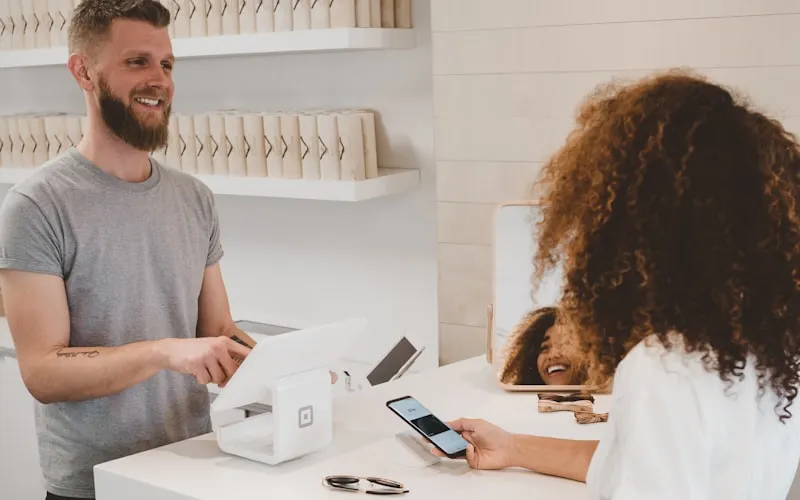
Walmart's reversal on Apple Pay and Google Pay acceptance removes the most visible remaining example of a major retailer deprioritizing third-party mobile wallets. If your own checkout strategy has been treating mobile wallet acceptance as a lower priority, this is worth an honest re-evaluation.
Why "We're Not Losing Sales Over This" Is Hard to Actually Verify
The friction cost of not accepting a customer's preferred payment method rarely shows up as a clean, attributable metric — a customer who can't tap to pay doesn't usually generate a support ticket; they either use a different payment method with mild annoyance, or abandon the purchase entirely, and the second outcome is invisible in most standard checkout analytics unless specifically instrumented for it.
A Practical Way to Actually Check
- If you don't currently accept Apple Pay or Google Pay, check what percentage of your customer base's devices support them (a reasonable proxy: iOS/Android split in your site analytics) before assuming the addressable impact is small
- If you do accept them, verify actual usage rates rather than assuming acceptance alone means adoption — mobile wallet usage varies significantly by customer demographic and purchase context
- Walmart's move is a useful prompt to revisit this specific decision now, with a real cost/benefit estimate, rather than relying on whatever assumption informed the original decision, which may be dated
Frequently Asked Questions
How can I estimate the impact of not accepting Apple Pay or Google Pay?
Check the iOS/Android device split in your site analytics as a rough proxy for potential mobile wallet demand, since checkout abandonment from unsupported payment methods rarely shows up as a directly attributable metric otherwise — it usually appears as silent cart abandonment.
Does Walmart's reversal mean every retailer should immediately add mobile wallet acceptance?
Not automatically — but it removes a common competitive justification ("if Walmart doesn't need it, we don't either") and is a reasonable prompt to revisit the decision with a real, current cost/benefit estimate rather than an outdated assumption.
Enjoyed this article?
Get new articles delivered to your inbox — no spam, unsubscribe anytime.
Ready to Build Something Great?
Let's turn your idea into a product. Book a free 30-minute discovery call with our team — no commitment, just clarity.