
VTechFusion Team
VTechFusion Technologies
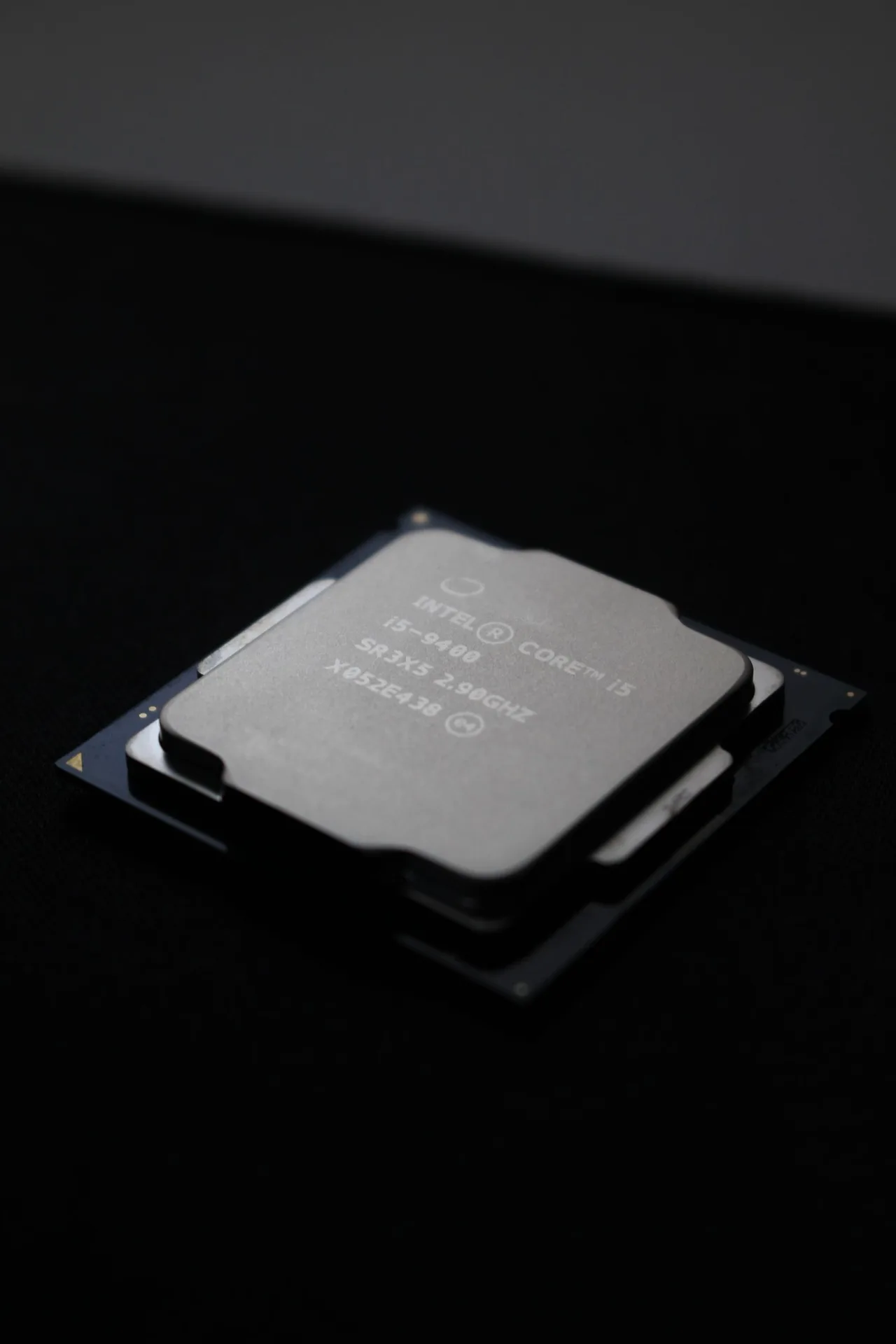
NVIDIA once commanded over 90% of China's AI chip market. As of early 2026, that share has fallen to roughly 50% — a direct consequence of tightening US export controls, combined with real acceleration in China's domestic chip capability, including a reported prototype of an EUV (extreme ultraviolet) lithography system, a class of tool the US and its allies have spent years trying to keep out of Chinese hands.
Why This Is a Bigger Deal Than a Market-Share Number
Export controls were designed to slow China's access to advanced AI chips by restricting NVIDIA (and others) from selling their best hardware there. A halved market share shows the restriction working as intended on paper — but the flip side is that China's domestic chip industry has used that gap to build real, indigenous alternatives faster than expected, including reportedly advancing on EUV lithography, the single hardest and most tightly controlled part of the leading-edge chip supply chain.
What This Means Beyond NVIDIA
- US chipmakers lose a large, high-growth market permanently, not temporarily — that revenue and volume isn't coming back even if controls eventually ease
- China is reportedly positioned to surpass Taiwan as the world's leading foundational (not leading-edge) chip producer by 2027 — a genuinely significant supply-chain shift
- For any organisation dependent on chip supply chains, this reinforces that geopolitics is now a real, live input into hardware availability and pricing planning, not a background risk
The Uncomfortable Strategic Reality
Export controls can slow a rival's access to specific tools, but they can also accelerate that rival's investment in domestic alternatives — and once that domestic capability exists, it doesn't disappear if controls are later relaxed. Whatever your view on the policy, the practical planning takeaway is the same: assume China's semiconductor self-sufficiency continues advancing, and factor that into any long-horizon hardware or supply-chain strategy.
Frequently Asked Questions
How much has NVIDIA's China market share fallen?
From over 90% to roughly 50% as of early 2026 — driven by tightening US export controls and China's accelerating domestic chip production capability.
Has China developed its own EUV lithography capability?
China has reportedly built a prototype EUV (extreme ultraviolet) lithography system — the class of tool used to produce the most advanced chips, and one the US and its allies have worked for years to keep out of Chinese hands. This is a prototype, not yet mass-production-ready.
Media & Press Enquiries
For editorial enquiries, expert commentary, or case study access.
Ready to Build Something Great?
Let's turn your idea into a product. Book a free 30-minute discovery call with our team — no commitment, just clarity.